
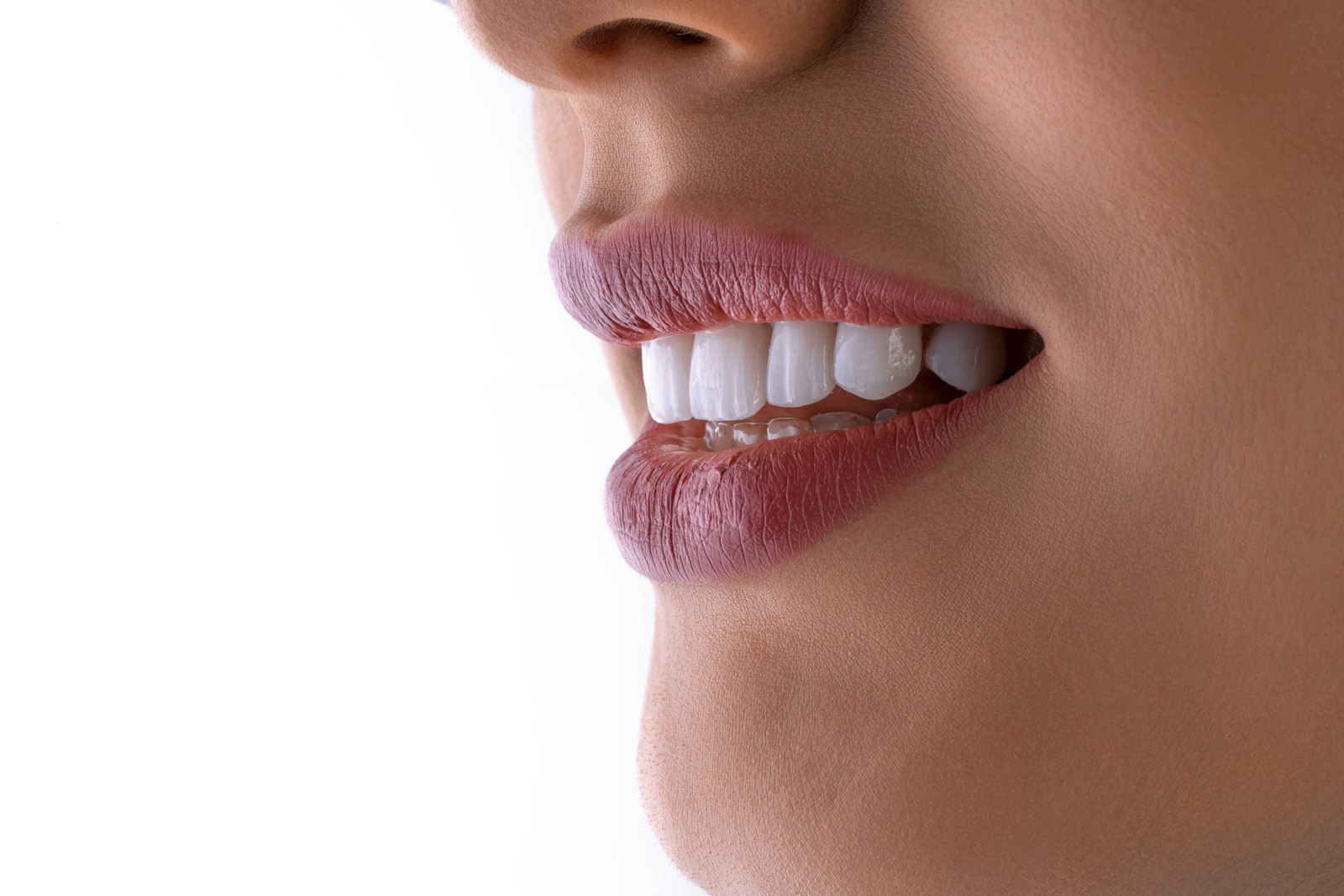
A bright, white smile is something many people strive for. With so many home remedies and over-the-counter products available, it’s tempting to try DIY whitening before considering professional cosmetic dentistry treatments. But how effective are these methods, and are they safe for long-term use? Here, we evaluate 8 of the most popular home teeth whitening techniques and compare them to professional teeth whitening offered by dental experts.
The Science Behind Teeth Whitening
Tooth discolouration can result from staining foods and drinks, smoking, ageing or even your genetics. Surface stains affect the enamel of your tooth, while deeper stains reach the dentin beneath. Whitening methods work by either physically removing surface stains (abrasion) or chemically breaking down stains with bleaching agents like hydrogen peroxide or carbamide peroxide.
Do These 8 Home Teeth Whitening Techniques Work?
1. Baking Soda and Lemon Juice
One of the most common DIY whitening techniques involves mixing baking soda with lemon juice. Baking soda acts as a mild abrasive, scrubbing away surface stains, while lemon juice, due to its high acidity, is believed to have a bleaching effect.
While this method may result in some temporary whitening, frequent use can erode tooth enamel due to the citric acid in lemon juice. This can lead to increased teeth sensitivity and a higher risk of cavities. In contrast, professional whitening treatments use controlled concentrations of peroxide, which whiten effectively without damaging the enamel.
2. Activated Charcoal Toothpaste
Activated charcoal has gained popularity as a natural remedy for whitening teeth. It is said to absorb toxins and remove stains due to its mildly abrasive nature. Many charcoal-based toothpastes claim to brighten teeth by lifting stains from the enamel.
Despite the hype, there is little scientific evidence supporting its effectiveness for deep whitening. Additionally, excessive use can wear down enamel over time, leading to irreversible damage.
3. Hydrogen Peroxide Rinse
Hydrogen peroxide is a well-known bleaching agent commonly found in professional whitening treatments. It’s for this reason some people use diluted hydrogen peroxide as a rinse, believing it will lighten stains and disinfect the mouth.
While hydrogen peroxide can be effective, over-the-counter concentrations are often too weak to produce significant results, meaning they are wasting your money. Using stronger solutions without professional supervision can also cause gum irritation and increased sensitivity.
4. Whitening Strips
Over-the-counter whitening strips contain peroxide-based gels designed to break down stains over time. These strips are easy to use and can produce moderate whitening when used consistently.
However, the results are often uneven, as the strips may not fully adhere to the curves of all your teeth which leads to patchy whitening attempts. Additionally, prolonged use can cause tooth sensitivity. Professional treatments, on the other hand, use stronger whitening agents and customised trays that ensure even coverage and long-lasting results.
5. Coconut Oil Pulling
Oil pulling is an ancient practice that involves swishing coconut oil around the mouth for several minutes. Some believe it can remove bacteria and toxins while also whitening teeth. Although oil pulling may contribute to overall oral health by reducing bacteria and plaque, there is little scientific evidence to support its effectiveness as a whitening method.
6. Apple Cider Vinegar
Apple cider vinegar is often touted as a natural teeth-whitening remedy. Due to its acidic nature, it can remove surface stains and kill bacteria in the mouth.
While apple cider vinegar may have some short-term effects, its high acidity can erode enamel over time, leading to increased sensitivity and decay. Professional whitening treatments provide safer and more effective long-term whitening without compromising dental health.
7. Strawberries and Baking Soda
Some people mash strawberries and mix them with baking soda to create a natural whitening paste. Strawberries contain malic acid, which is believed to dissolve stains while baking soda provides mild abrasion.
Despite its popularity, this method is not recommended. Malic acid can weaken enamel, making teeth more vulnerable to damage. Professional treatments achieve superior whitening without the risk of enamel erosion.
8. Banana Peel Whitening
A widely shared trend on social media and online suggests that rubbing a banana peel on teeth can make them whiter due to the minerals it contains, such as potassium and magnesium. However, there is no actual evidence to support this claim. While bananas are healthy for overall nutrition, their peels do not possess the necessary properties to whiten teeth.
Why is Professional Teeth Whitening More Effective?
Professional whitening treatments are tailored to individual needs, ensuring even, safe and long-lasting results. In-practice procedures use higher-strength peroxide under expert supervision, preventing gum irritation or enamel damage. Take-home kits provided by dentists also offer a safer alternative to unregulated online products, delivering professional-level whitening in the comfort of your home.
Conclusion – Which Whitening Method Is Best for You?
While some home remedies may offer mild stain removal, none can match the effectiveness or safety of professional teeth whitening. Whether you opt for an in-office treatment or a dentist-approved home whitening kit, professional methods provide better, longer-lasting results without the risks associated with DIY approaches. If you’re looking to brighten your smile safely and effectively, consult a dental professional for the best solution like us here at Cheslyn Hay Dental Practice.


