
Are you waking up with persistent jaw ache, or has your partner mentioned unusual grinding noises during the night?
You could be grinding your teeth without even realising it. It often goes unnoticed until symptoms first start to appear.
Left untreated, it can lead to worn teeth, jaw discomfort or even long-term dental damage.
The good news is that it can be managed once identified. In this blog we’ll explore the signs to look out for, the common causes and the practical steps you can take to protect your teeth and prevent further problems.
What is Teeth Grinding?
Teeth grinding, also known as bruxism, is the involuntary clenching or grinding of your teeth.
It most commonly occurs during sleep, but some people also grind their teeth awake, often without realising it.
The pressure created by grinding can be far greater than normal chewing forces. Over time, this excessive strain can wear down enamel, increase tooth sensitivity, cause jaw pain and headaches, and even lead to cracked or damaged teeth.
What Causes Teeth Grinding?
Teeth grinding doesn’t usually stem from one single issue and is often linked to a combination of physical and lifestyle factors.
The most common issues include:
-
Stress & Anxiety
Emotional stress is one of the biggest triggers. When you are feeling anxious or under pressure, your body can release tension during your sleep by clenching or grinding your teeth.
-
Sleep Disorders
Sleep apnoea, snoring or disrupted sleep patterns are strongly linked to night-time grinding. Poor quality sleep may increase muscle activity in the jaw.
-
Bite and Alignment Issues
If your teeth do not properly meet, your jaw may be subconsciously trying to correct it during your sleep.
-
Caffeine and Alcohol
Drinking caffeine late in the day or consuming alcohol in the evening can increase the likelihood of grinding by stimulating muscle activity.
-
Certain Medications
Some medications have been linked to bruxism, making the jaw more active during sleep.
Signs You May Be Grinding Your Teeth
Teeth grinding often goes unnoticed until symptoms start to appear. Common signs to watch for include:
- Morning jaw pain, soreness, or tightness
- Frequent headaches, especially upon waking
- Worn, chipped or flattened teeth
- Increased tooth sensitivity
- Clicking, popping, or discomfort in the jaw
- Your partner hears grinding noises during the night
Audible grinding at night is one of the most reliable indicators of sleep bruxism.
If you notice any of these symptoms, it’s worth discussing them with your dentist. They can assess the cause and help you put together an appropriate treatment plan.
What Are the Long-Term Effects of Teeth Grinding?
The constant pressure placed on your teeth and jaw from clenching and grinding can cause gradual damage overtime, sometimes requiring restorative dental treatment.
Bruxism may lead to:
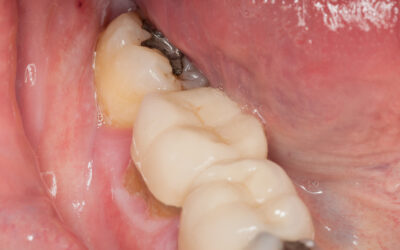
- Worn or shortened teeth – Tooth enamel gradually wears away, changing the length and shape of your teeth.
- Cracked or fractured teeth– Ongoing grinding weakens the teeth making them more susceptible to chips and breaks.
- Tooth sensitivity – As enamel thins, the inner layers of the tooth become exposed, increasing sensitivity to hot, cold, or sweet foods and drinks.
- Receding gums – Excess pressure can contribute to gum irritation and recession.
- TMD jaw problems– Grinding may cause clicking, locking or difficulty opening or closing your mouth and is a primary risk factor for temporomandibular joint disorder.
- Headaches and facial pain – Persistent muscle tension can result in ongoing discomfort in the head, neck and face.
The earlier teeth grinding is identified and managed, the easier it is to prevent or minimise these long-term effects.
How to Prevent Teeth Grinding
Making small changes to your lifestyle and daily routine can help reduce teeth grinding, particularly at night.
Consider the following steps:
Reduce Stress Before Bed
Incorporate relaxation techniques into your evening routine, such as reading, gentle stretching, deep breathing or taking a warm bath.
Creating a calm wind down period before sleep may help reduce muscle tension and night-time clenching.
Avoid Stimulants
Limit caffeine in the afternoon and evening, and reduce alcohol intake before bed, as both can increase muscle activity and disrupt sleep.
Improve Your Sleep Routine
Aim for a consistent bedtime and wake-up time each day. Keep your bedroom dark, cool, and quiet to create an environment that supports restful sleep.
Jaw Relaxation Exercises
Gentle jaw stretches and relaxation exercises can help reduce muscle tension before sleep.
Custom Night Guard
Speak to your dentist about fitting a custom night guard.
This specially fitted appliance is designed to protect your teeth by creating a barrier between the upper and lower teeth, helping to prevent damage from grinding or clenching.
If symptoms continue, your dentist can assess your individual risk factors and recommend appropriate treatment.
When to See a Dentist
If you frequently wake up with jaw pain, headaches or increased tooth sensitivity, it may be a sign that you’re grinding your teeth at night.
Early assessment can help prevent further damage and relive discomfort.
Get in touch with our friendly team today to arrange a consultation and protect your long-term oral health.