If your upper teeth overlap your lower teeth more than usual, you may have an overbite.
This common dental issue can cause jaw pain, worn teeth, speech difficulties and can affect the appearance of your smile.
Orthodontic treatments, including braces and clear aligners can help correct your overbite at any age.
At Cheslyn Hay we offer a range of orthodontic treatments to help you achieve a healthy, beautiful smile.
This article will explain what an overbite is, its causes, associated risks and available orthodontic treatments.
What Is an Overbite?
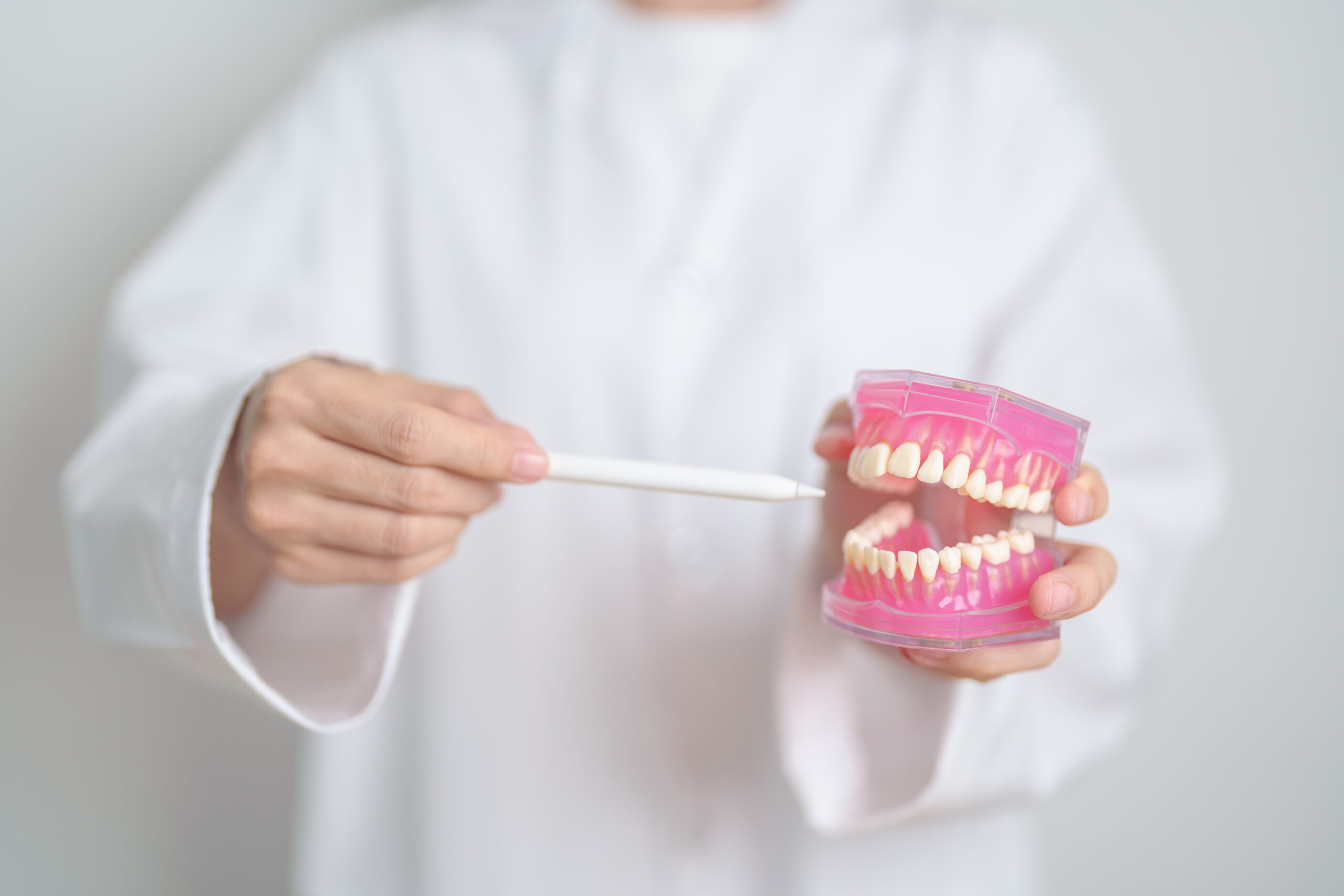
An overbite occurs when the upper front teeth significantly overlap the lower front teeth when the mouth is closed.
A slight overlap of the teeth is normal, typically around 1-2mm, but more pronounced overlaps are classified as mild, moderate or severe.
Types of Overbite
| Severity | Description | Typical Risk |
|---|---|---|
| Mild | Slight overlap | Minimal, often no treatment unless cosmetic |
| Moderate | Upper teeth cover 30–50% of lower teeth | Tooth wear, jaw strain, aesthetic concerns |
| Severe | Upper teeth cover more than 50% of lower teeth | Functional problems, TMJ strain, higher risk of trauma |
What Causes an Overbite?
Overbites can result from genetic, developmental, behavioural or medical factors.
Genetic Factors
- Jaw shape and size are largely inherited
- When the upper jaw is larger and the lower jaw is smaller, they may overlap more
- A family history of misaligned teeth increases the likelihood of an overbite
Childhood Habits:
- Thumb sucking or prolonged use of a dummy can push the upper teeth forward
- Tongue thrusting (pushing the tongue against the teeth when swallowing or speaking)
- Excessive nail biting
- Teeth grinding
Jaw Growth and Tooth Development
- Disproportionate growth of the upper and lower jaw during childhood or adolescence can create an overbite.
- Early loss of baby teeth or permanent teeth can disrupt alignment
- Crowding or extra teeth
Medical Conditions:
- TMJ disorders (temporomandibular joint issues) can alter jaw position
- Muscle tension may pull the jaw forward or backward, affecting the bite alignment
What Problems and Risks Come With an Overbite?
Moderate or severe overbites can lead to dental, jaw, speech and aesthetic issues.
Dental Issues
- Enamel wear from repeated upper-lower teeth contact
- Increased risk of chipped or fractured teeth
- Hard-to-clean areas leading to cavities and gum disease
Speech and Jaw Problems
- Misalignment strains the TMJ, causing jaw pain or difficulty chewing.
- Certain sounds like ‘s’ or ‘th’ may be harder to pronounce, causing a lisp.
Aesthetic Concerns
- Altered facial profile or smile appearance
- Can affect self-confidence and social interactions
How Orthodontics Can Correct an Overbite
Treatment depends on the severity of the overbite and whether it involves the teeth, jaw or both.
Braces
- Metal or ceramic braces gradually move teeth into alignment
- Rubber bands adjust the bite by repositioning the jaw
- Effective for mild to moderate overbites.
Clear Aligners
- Removable, discreet plastic aligners such as Invisalign
- Apply gentle, consistent pressure to move teeth
- Best for mild to moderate overbites.
Growth Modification Appliances
- Devices such as headgear or functional appliances guide jaw growth
- Most effective in children and teens before jaw growth is complete
- Worn for several hours daily or overnight
Tooth Extraction or Surgery
- Severe crowding may require tooth removal to allow proper alignment
- Adults with severe skeletal overbites may need orthognathic surgery to reposition the jaw
Retainers
- Essential for maintaining the correction
- Prevents relapse after treatment
When Should I See an Orthodontist About an Overbite?
By the age of 7, a child will have a mixture of baby and permanent teeth which allows an orthodontist to see how the permanent teeth are developing and if there are any issues with the bite or jaw growth.
You should visit a orthodontist if you have:
- Excessive tooth wear or damage
- Discomfort in the jaw
- Difficulty biting or chewing
- Speech issues
Early intervention can prevent more invasive treatments later.
Conclusion
Overbites are common and treatable.
Early detection allows simpler, more effective correction.
At Cheslyn Hay we offer traditional braces and clear aligners to improve oral health and confidence.
Contact us today at 001922 214 702 to schedule your consultation or visit our fees page for more information on treatment costs.