Receding gums are a common oral health problem that affects many people as they age.
When gum tissue pulls back from the teeth, it can expose the roots, leading to sensitivity, discomfort and an increased risk of tooth decay or infection.
The good news is that early detection and proper care can help slow or even prevent further recession.
In this article, we’ll explore the causes of receding gums, the signs to watch for, how to stop further recession and the treatment options available to protect your smile and maintain long-term oral health.
What are Receding Gums?
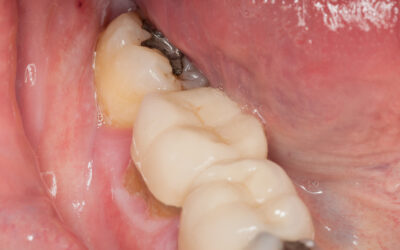
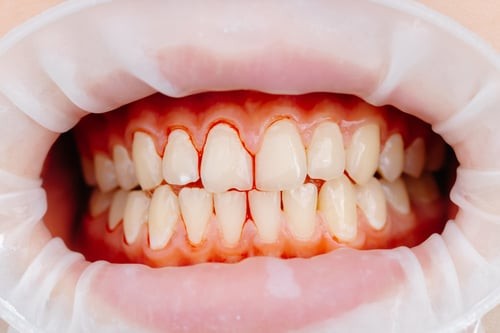
When gums recede, they pull away from the teeth exposing the sensitive roots underneath.
This can lead to:
- Tooth sensitivity
- Increased risk of decay
- Gum disease
- Potential tooth loss if left untreated
What Causes Receding Gums?
Several factors can contribute to gum recession, including:
- Poor Oral Hygiene
A build-up of plaque hardens into tartar which irritates the gums and causes them to pull away from the teeth.
- Brushing Too Hard
Aggressive brushing with a hard-bristled toothbrush can wear down gum tissue over time.
- Gum Disease
Bacterial infections, including periodontal disease, can damage both the gums and the bone that support your teeth.
- Genetics
Some people are naturally more prone to gum recession, even with good oral care.
- Teeth Grinding
Grinding or clenching your teeth puts extra pressure on the gums, contributing to recession.
- Smoking & tobacco
Tobacco reduces blood flow to the gums, slowing healing and increasing the risk of gum damage.
Understanding the causes of gum recession is the first step toward protecting your gums and preventing further damage.
How to Stop Receding Gums
While severe gum recession requires professional treatment, early stages can often be managed at home with simple, consistent habits.
1. Improve Brushing Technique
Use a soft-bristled toothbrush and brush gently in circular motions. Avoid scrubbing back and forth along the gum line, which can wear away delicate gum tissue over time.
2. Floss Daily
Flossing removes plaque and food particles where toothbrushes can’t reach, helping prevent gum inflammation and further recession.
3. Switch to Gum Friendly Toothpaste
Choose a toothpaste formulated for:
- Sensitive teeth
- Gum health
- Enamel protection
This helps strengthen teeth and protect your gums from irritation.
4. Rinses with Salt Water
A simple saltwater rinse can reduce inflammation and fight bacteria.
Mix ½ teaspoon of salt in a cup of warm water and rinse once or twice daily.
By adopting these daily habits early, you can protect your gums, reduce further recession, and maintain a healthier, more comfortable smile.
Professional Treatments for Receding Gums
When gum recession progresses despite home care, professional treatments may be necessary to protect your teeth and restore gum health.
- A deep cleaning: This removes built-up plaque and bacteria below the gum line, helping to stop further damage and prevent infection.
- Gum grafting: Healthy gum tissue is taken from another area of the mouth and grafted onto areas with severe recession, restoring coverage and protecting the roots.
- Desensitising treatments: Fluoride or other professional treatments reduce sensitivity in exposed tooth roots and strengthen enamel.
With timely professional care, further gum recession can often be prevented, and your smile protected for years to come.
When to See a Dentist
You should see a dentist about your gum recession if you notice any of the following:
- Persistent tooth sensitivity
- Bleeding or swollen gums
- Visible gum recession
- Loose teeth
Conclusion
Receding gums can become a serious issue if left untreated. However, with the right combination of good oral hygiene, lifestyle changes and professional care, further damage can often be prevented.
Early intervention is key, whether it’s improving your brushing technique at home or seeking specialised treatments like deep cleaning or gum grafts.
For personalised care and expert guidance, Cheslyn Hay Dental offers comprehensive gum health services designed to protect your smile and maintain healthy teeth for years to come.
Don’t wat until minor gum issues turn into major problems, book a consultation with a member of our friendly team today and take the first step towards stronger, healthier gums.
Frequently Asked Questions
Can receding gums grow back?
Gum tissue does not naturally grow back, but early intervention can prevent further recession.
In severe cases, treatments like gum grafts can restore lost tissue.
Does gum recession cause tooth loss?
If left untreated, gum recession can weaken the support for your teeth, increasing the risk of decay, gum disease and eventual tooth loss.
Are receding gums painful?
Early-stage gum recession is often painless, but it can lead to tooth sensitivity, inflammation or discomfort as the roots of your teeth become exposed.