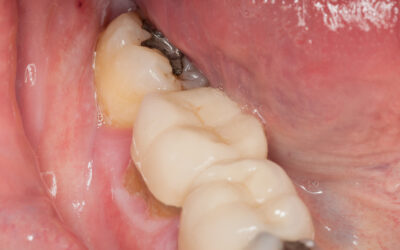

Have you noticed a hole or dark spot in your tooth?
Whether it is painless or not, this is often a sign of tooth decay, which won’t fix itself.
Acting early can save your tooth, reduce discomfort, and prevent costly dental treatments.
In this article, we’ll guide you through how to recognise tooth decay early, what steps to take immediately, common mistakes to avoid, available dental treatments, and practical tips to prevent future cavities.
What Is Tooth Decay?
Tooth decay is the gradual breakdown of your tooth’s protective outer layer, the enamel, caused by acids produced by bacteria in plaque.
When these bacteria interact with sugars and starches in your mouth, they release acids that slowly wear away the enamel, creating weak spots or holes in the teeth.
Common signs of tooth decay include:
- Visible holes or dark spots in the teeth
- Sensitivity to hot, cold or sweet foods and drinks
- Pain when chewing
- Persistent bad breath
Catching tooth decay early is important because it prevents further damage, reduces pain and allows simpler treatments like fillings instead of more invasive procedures.
Can You Have a Hole in Your Tooth Without Pain?
Yes, you can have a hole in your tooth and not feel any pain. In fact, many cavities start completely silently.
During the early stages of decay, you may notice white or brown spots on the enamel, but there may be no discomfort at all.
At this point, the cavity hasn’t yet penetrated the deeper layers of the tooth.
However, if left untreated these small holes can progress into larger cavities, potentially causing pain, infection and more complex dental treatments.
Detecting and treating cavities early is key to saving your tooth and avoiding unnecessary discomfort.
What To Do Immediately If You Notice a Hole In Your Tooth
Have you just noticed a hole in your tooth? Early action is key to protecting your teeth.
Here’s what you should do:
1. Schedule a Dentist Appointment
The sooner you see a dentist, the simpler the treatment. Early stage cavities often require a simple filling, while delayed care could lead to more invasive procedures like a root canal or tooth crown.
2. Keep The Area Clean
Brush your teeth gently twice a day, with a fluoride toothpaste alongside flossing carefully around the affected area.
Use warm saltwater rinses to help keep your mouth clean.
3. Avoid Foods That Worsen Decay
Sugary, sticky, very hot, or very cold foods can aggravate the affected tooth. Stick to soft, mild foods until you get professional care.
4. Manage Discomfort Safely
Manage pain and sensitivity with over-the-counter medications and apply a cold compress to the outside of your cheek to reduce swelling and ease pain.
What Not To Do If You Notice a Hole In Your Tooth
Ignoring the hole in your tooth can have detrimental effects on your overall oral health.
Even if it doesn’t hurt, waiting until it does, means the decay has reached a deeper layer of the tooth leading to more complex treatment.
Avoid:
- DIY filling kits
- Picking or scraping the cavity
- Relying on home remedies
These approaches do not stop decay and may worsen infection.
How Do Dentists Treat a Hole In a Tooth?
Treatment is dependent on the extent and depth of the decay, and whether the tooth is infected.
Dental treatment includes:
1. Fluoride Treatment
This treatment is for early decay. If the hole is in its earliest stage and the hasn’t broken the enamel, the dentist may recommend a professional fluoride treatment.
This strengthens the enamel, helping prevent further decay and the cavity from worsening.
2. Dental Fillings
Small to medium holes in the tooth will be filled with materials such as composite resin.
The dentist will remove the decayed portion of the tooth, before cleaning the area and filling.
3. Dental Crowns
When a large proportion of the tooth is damaged or weakened, a dental crown may be the best solution for long-term protection.
A crown covers the entire tooth, restoring its shape, strength and function while preventing further decay or damage.
4. Root Canal
When decay reaches the inner pulp of the tooth, a root canal is needed.
If you are experiencing severe, lingering pain, a swelling, infection or sensitivity that doesn’t go away than you may need a root canal.
The dentist will remove the infected tissue, clean inside the tooth and seal it.
5. Tooth Extraction
For severely damaged teeth, which cannot be saved, then an extraction may be the only option.
Dentists will discuss replacement options such as implants, bridges or dentures after extraction.
How To Prevent Future Holes in Your Teeth
Tooth decay is largely preventable with consistent daily habits and regular dental care.
This includes:
- Brushing twice a day with a fluoride toothpaste: Brushing for at least two minutes with a soft bristled toothbrush strengthens tooth enamel and protects against decay.
- Floss daily to remove hidden plaque: Plaque often builds up between the teeth, where brushing cannot reach. Floss gently once a day along the gum line to lower the risk of new cavities.
- Limit sugary and acidic food and drink: Sugar feeds the bacteria which cause cavities, whilst acid weakens the enamel. Reduce your intake of sugary food and drink, with less snacking between meals.
- Visit the dentist regularly: Schedule a check-up every six months, with professional hygienist cleaning so decay can be detected early.
- Protect teeth from grinding: If you grind your teeth together at night, use a night guard to prevent excessive wear of the enamel.
Tooth Decay Treatment at Cheslyn Hay Dental Practice
To conclude, acting early is the key to success when it comes to tooth decay.
Don’t ignore the hole in your tooth, see a dentist as soon as possible.
At Cheslyn Hay Dental, our experienced team of dentists are here to offer specialised treatment to restore your teeth.
From white fillings to dental bridges, crowns, and dentures, our range of general and cosmetic dentistry treatments will restore your smile in no time.
Get in touch with a member of our friendly team today to solve your tooth troubles!