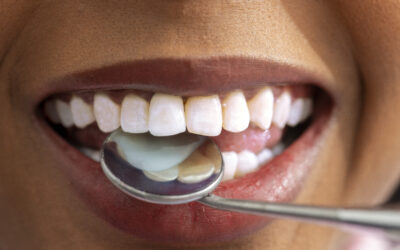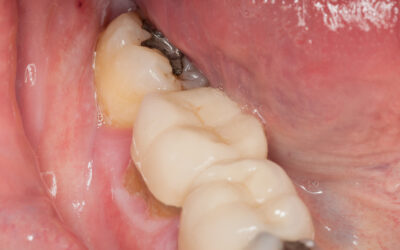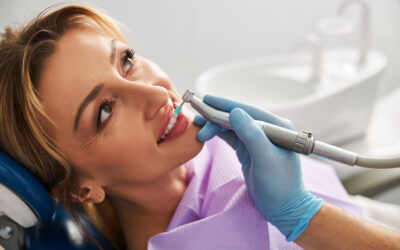
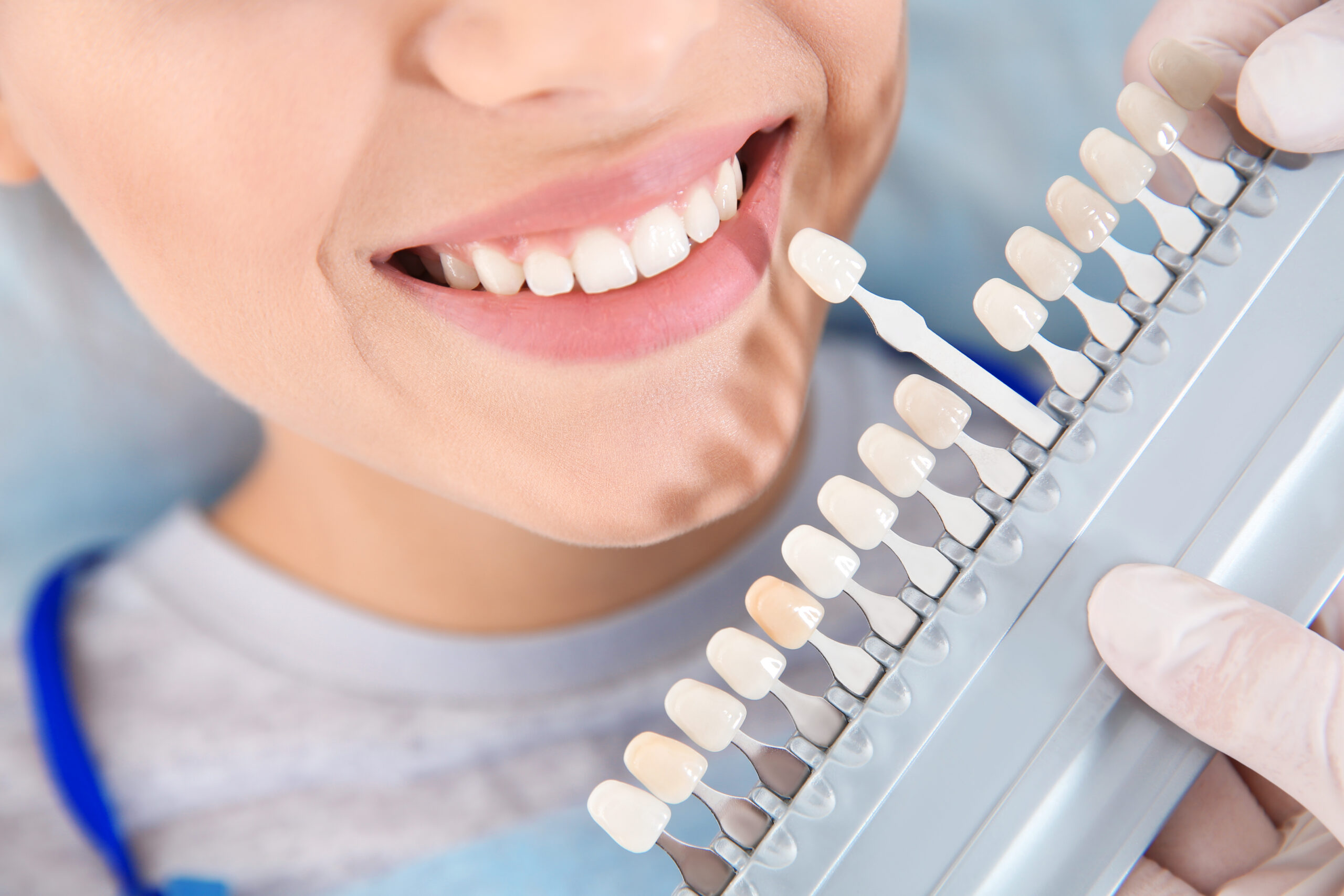
Sensitivity is a common and short-lived side effect of professional teeth whitening.
It often appears in the hours following treatment and fades within one to two days.
At Cheslyn Hay Dental, we offer safe and professional teeth whitening to help you achieve your dream smile.
This guide explains what causes sensitivity, how to minimise it, what to do if it persists and who may not be suitable for whitening.
What Is Professional Teeth Whitening?
Professional teeth whitening is a cosmetic dental treatment which uses regulated bleaching gels to safely lighten the colour of your teeth.
Dentists can apply the gel in the clinic or provide custom-made whitening trays for supervised home use.
Before any treatment begins, the dentist will assess your teeth and gums, controlling the strength and placement of the whitening gel.
Why Does Sensitivity Happen?
Professional teeth whitening uses peroxide based gels that penetrate the enamel to breakdown stains.
This process makes the enamel temporarily more porous and exposures the underlying dentine.
Dentine contains tiny tubules that transmit sensation, so it reacts more strongly to temperature and pressure.
The sensitivity is temporary and usually lasts between twenty-four and forty-eight hours.
How Can Sensitivity Be Reduced?
Tooth sensitivity can be reduced by protecting the exposed dentine, strengthening the enamel and avoiding triggers that irritate the nerves inside the teeth.
By following these measures, you will reduce the anticipated sensitivity in the immediate hours after your professional whitening treatment:
Use a Sensitive Toothpaste
Choose toothpaste containing:
- Potassium Nitrate, which calms nerve activity
- Stannous fluoride, which strengthens enamel
Use it before and after treatment to reduce symptoms.
Avoid Very Hot or Cold Foods
Extreme temperatures will aggravate sensitive teeth.
Choosing room temperature foods allows the enamel to rehydrate and settle.
Choose Gentle Brushing
Avoid aggressive brushing and flossing in the hours after your treatment.
Select a soft-bristled brush to protect the enamel while it recovers.
Space Out Whitening Sessions
When using dentist-directed home trays, allow breaks between sessions.
These pauses help the enamel rehydrate and reduce irritation.
Avoid Acidic Foods and Drinks
Citrus fruits, fizzy drinks and vinegar based foods are highly acidic.
The acids can weaken the softened enamel further, increasing sensitivity as well as staining the enamel whilst it is still porous.
What To Do When Sensitivity Lasts
Sensitivity of the teeth should gradually fade within a few days after professional whitening treatment.
If sensitivity continues, it may indicate an underlying dental issue such as decay, gum recession or enamel wear.
You should contact your dentist who will identify the cause and recommend the right treatment.
Who Is Professional Teeth Whitening Not Suitable For?
Professional teeth whitening is safe for most adults, but some conditions may delay or prevent treatment.
A dentist will examine the health of your teeth and gums first to make sure the treatment will be safe and effective.
Whitening will be delayed or avoided if you have:
- Signs of tooth decay or gum disease
- Severe sensitivity
- Gum recession
- Cracked or damaged teeth
- Advanced enamel erosion
Conclusion
Sensitivity shouldn’t deter you from considering professional teeth whitening treatments.
In most cases, the sensitivity is manageable and short-lived, fading within 48 hours.
Regain your confidence by getting in contact with our professional teeth whitening dentists today!